Preoccupy your mind while you wait
Apps are individually designed to keep your attention.

When I was a child, I loved playing Age of Empires. Recently I found the dusty old disk and put it into the rusted CD-ROM of my computer to install the nostalgic strategy game. The installation process was about 15 minutes, but the loading screen was made in such a way that, despite having other tasks to get done, I just sat there - rooted to my chair, patiently waiting for it to finish.
The loading screen was more dynamic than most: it incorporated an aspect of the game - builders building buildings - into how it portrayed the progress made with the installation.
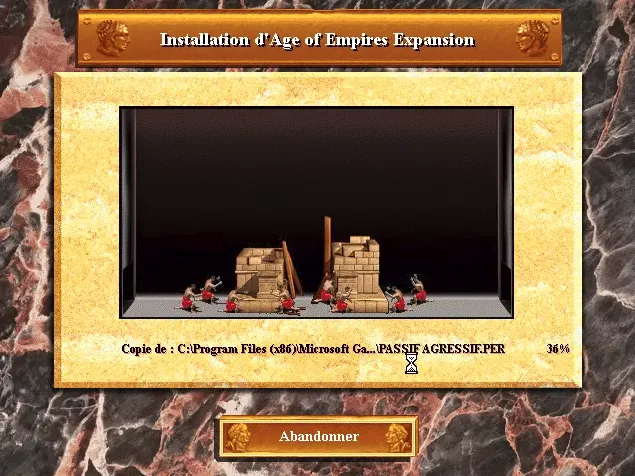
This dynamic way of showing the progress was what captivated my attention, occupied my time, and left me to wait patiently.
Back in 1939, the New York Times predicted that the television would fail because the average American family would not have enough time to sit around watching it. Now all that time - that we thought we didn't have - is distributed between our TVs, computers, and smartphones. Phones take the majority of our attention at 65%, with an average of over four hours of usage per day. Those precious four hours are competitively fought over by developers designing apps specifically to keep your attention within their app.
Your attention can be lost through a number of different variables. Push notifications that grab your attention no matter what app you're busy with, slow streaming speeds and download times, a bad user experience, phone updates - and even sleep. If what we want the app for is being halted for whatever reason, there are only a couple of seconds between us closing it out of frustration or holding on a little longer to wait for it to load.
The decision of the user to switch apps depends on the period of unoccupied attention within the content of the app - where the user is disengaged and allowed to think about something else entirely.
The key to capturing a user's attention despite a delay in content is to preoccupy their attention with animations and/or placeholder content. This could refer to a number of different things.
Mirrors inside elevators are designed to preoccupy a person's attention while they wait to be transported to the top of the high-rise. Airports are designed so that you're preoccupied walking to your baggage terminal rather than standing around waiting for it. Expected waiting times for rides at amusement parks are always forecast longer than reality - people who wait less than they anticipated leave happier than those who wait longer than expected. Given a choice between a slow-moving short line and a fast-moving long one, we're wired to pick the second, even if the outcome is the same.
No matter the purpose of the app, there will be times when data is being fetched from a server or a game is loading in the background. These seemingly long waits can detract a user, leaving them frustrated or closing the app entirely. Loading spinners let the user know that something is happening - that they just need to wait a second. Instead of staring at a blank screen, a custom loading spinner can also hold their attention while they wait.
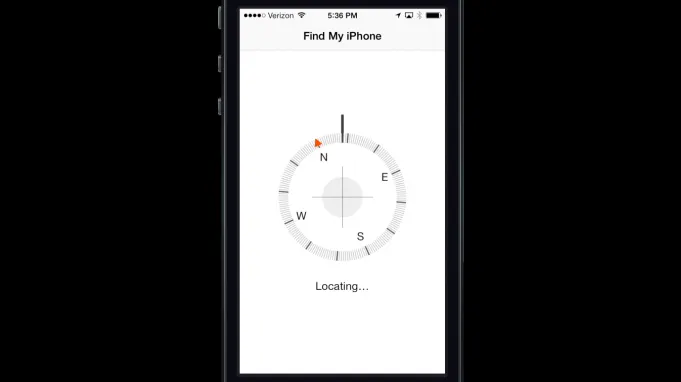
Facebook, Instagram and other social platforms use placeholder content to give a sense that something has loaded rather than a blank screen - a skeleton sketch of how the content will be formatted. Medium uses the popular technique of progressive image loading, where a low-quality thumbnail is downloaded first (about 20% of the original) and stretched to fill the space before the final image is shown.
Android Instant Apps are another great way to keep a user engaged: they minimise download times and create a seamless transition from your web browser to the app and back again. You can search for a movie from your browser, click it, and instantly start streaming in the app without waiting to load anything else first.
Companies like Google, Facebook and Netflix have thousands of software engineers working on making their apps better at holding onto the attention of their users. Their strategies vary from complex algorithms and artificial intelligence to a simple user interface with an autoplay feature. Maintaining that attention is the key to showing you more content and more ads - which, in the end, leads to more revenue.
Even if you're aware of what's going on between the apps on your phone, that's not going to stop you from using them. They'll keep your attention for as long as you let them: showing you search results even if nothing is relevant, preoccupying your mind just before you think of closing the app, then sending you a notification a few minutes later to get you back again.
Your attention is kept occupied, and your mind is kept busy. But if you manage to get out of the tight grasp of these attention-seeking vampires, you might just be lucky enough to be disengaged long enough to look up from your phone - and notice the cute girl smiling at you from across the room.
- JT